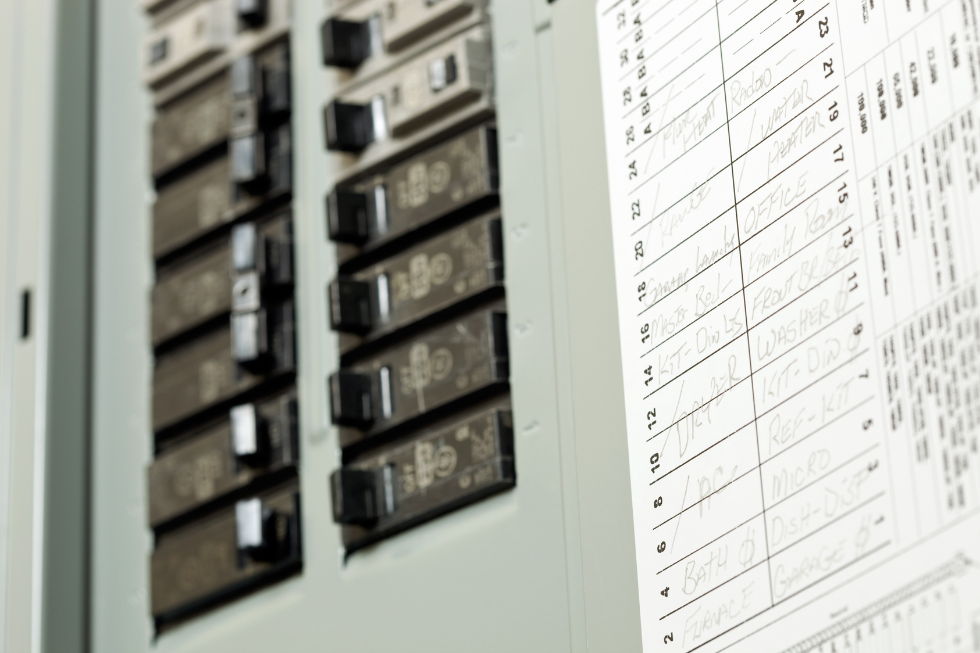
A circuit breaker that keeps tripping isn’t just an annoyance—it’s your electrical system’s way of warning you about a potentially serious problem. While the occasional tripped breaker might not be cause for alarm, frequent or recurring trips should never be ignored. Understanding why circuit breakers trip and knowing when to call a professional can help protect your home from electrical fires and other hazards while ensuring your electrical system operates safely and efficiently.
Understanding Your Circuit Breaker’s Purpose
The Guardian of Your Electrical System
Think of your circuit breaker as a vigilant guardian, constantly monitoring the flow of electricity through your home. Its primary purpose is to protect your electrical system and prevent fires by interrupting the power flow when it detects a problem. When a circuit breaker trips, it’s doing exactly what it’s designed to do—preventing a potentially dangerous situation from developing.
How Circuit Breakers Work
Circuit breakers operate on a simple but ingenious principle. They monitor two critical factors: the amount of current flowing through the circuit and the heat generated by that current. When either exceeds safe levels, the breaker automatically trips, cutting power to the circuit. This instantaneous response helps prevent electrical fires, equipment damage, and other hazards that could result from unchecked electrical problems.
Common Causes of Circuit Breaker Trips
Overloaded Circuits
The most common reason for a circuit breaker to trip is circuit overload. This occurs when you’re demanding more electricity than the circuit is designed to handle. Modern homes are filled with power-hungry devices and appliances, and it’s easy to exceed a circuit’s capacity without realizing it. For example, running a microwave, coffee maker, and toaster on the same kitchen circuit might draw more power than the circuit can safely provide.
Short Circuits
A short circuit occurs when a hot wire comes into contact with a neutral wire, creating a direct path for electricity that bypasses the intended circuit. This can happen due to loose connections, damaged wires, or faulty equipment. Short circuits are particularly dangerous because they can generate intense heat very quickly, making them a significant fire hazard. The sudden surge in current causes the breaker to trip immediately.
Ground Faults
Similar to a short circuit, a ground fault occurs when a hot wire comes into contact with a grounded part of the electrical system, such as a metal electrical box or appliance housing. Ground faults are particularly common in areas where water is present, such as bathrooms, kitchens, and outdoor outlets. This is why these locations are required to have special Ground Fault Circuit Interrupter (GFCI) protection.
Warning Signs of Serious Electrical Problems
Breakers That Trip Repeatedly
While an occasional tripped breaker might not indicate a serious problem, breakers that trip repeatedly almost always signal an underlying issue that needs professional attention. If you reset a breaker and it trips again immediately or within a short time, this is your electrical system telling you something is wrong. Continuing to reset the breaker without addressing the underlying cause can be dangerous.
Signs of Overheating
Any signs of heat damage around electrical outlets, switches, or the electrical panel itself should be taken seriously. This might include discoloration of outlet covers, a burning smell, or warm spots on walls near electrical components. These symptoms often indicate problems that require immediate professional attention to prevent fires.
DIY Troubleshooting vs. Professional Help
Safe DIY Investigation Steps
When a circuit breaker trips, there are some safe preliminary steps you can take to investigate the cause. First, make note of what devices or appliances were running when the breaker tripped. Unplug everything on the affected circuit before resetting the breaker. Then, plug items back in one at a time to identify if a particular device is causing the problem. This can help determine if the issue is circuit overload or a faulty appliance.
When to Call a Professional
While some basic troubleshooting is safe for homeowners to perform, many electrical problems require professional expertise. Any situation involving visible damage to wiring, signs of burning or overheating, or breakers that trip immediately after reset should be evaluated by a licensed electrician. Additionally, if you’re unable to identify the cause of repeated trips, it’s time to call in a professional.
Preventive Measures and Maintenance
Regular Electrical Inspections
Just as your car needs regular maintenance, your home’s electrical system benefits from periodic professional inspections. These inspections can identify potential problems before they become serious, ensuring your electrical system remains safe and reliable. A professional electrician can assess the condition of your wiring, outlets, and electrical panel, making recommendations for updates or repairs as needed.
Upgrading Your Electrical System
Many homes, especially older ones, have electrical systems that weren’t designed to handle today’s power demands. If you frequently experience tripped breakers, it might be time to consider upgrading your electrical service or adding additional circuits. A professional electrician can evaluate your home’s electrical needs and recommend appropriate upgrades.
The Role of Modern Circuit Breakers
Advanced Protection Features
Modern circuit breakers offer enhanced protection features that weren’t available in older models. Arc fault circuit interrupters (AFCIs) can detect dangerous electrical arcs that traditional breakers might miss. Combination AFCI/GFCI breakers provide comprehensive protection against both arc faults and ground faults. These advanced breakers can help prevent electrical fires and shock hazards.
Smart Circuit Breakers
The latest generation of circuit breakers includes smart features that allow homeowners to monitor their electrical usage and receive notifications when problems occur. These devices can provide valuable insights into your home’s electrical consumption and alert you to potential issues before they become serious problems.
Professional Solutions and Repairs
Diagnostic Process
When you call an electrician to investigate a tripping circuit breaker, they’ll follow a systematic diagnostic process to identify the root cause of the problem. This typically involves testing the circuit breaker itself, examining wiring connections, and using specialized equipment to detect any hidden issues within your electrical system.
Long-Term Solutions
Rather than just addressing the immediate symptom of a tripping breaker, a professional electrician will work to implement long-term solutions that prevent future problems. This might involve redistributing electrical loads across multiple circuits, upgrading wiring or circuit breakers, or installing additional circuits to handle increased power demands.
Know Your Circuit Breaker
Circuit breaker trips are more than just an inconvenience—they’re an important warning system that helps protect your home and family from electrical hazards. Understanding the common causes of tripped breakers and knowing when to call a professional can help you maintain a safe and reliable electrical system. While some simple troubleshooting steps are safe for homeowners to perform, many electrical problems require the expertise of a licensed electrician to resolve safely and effectively.
Remember that your home’s electrical system is complex and potentially dangerous. When in doubt, it’s always better to err on the side of caution and consult a professional rather than risk injury or property damage attempting repairs yourself. Regular maintenance and prompt attention to electrical problems can help prevent more serious issues from developing, ensuring your home remains safe and your electrical system operates reliably for years to come.