The electrical panel in your house is the main component that maintains the safe and effective operation of your power. You can keep your home safe and dependable by being aware of how this system operates. Every homeowner needs to understand the fundamentals of electrical panels in order to power their appliances and prevent overloads in their circuits. In this guide by RTR Electric, you will get insights into the components, types, importance, and their role in home safety.
Understanding Electrical Panels: What Are the Key Components and Types?
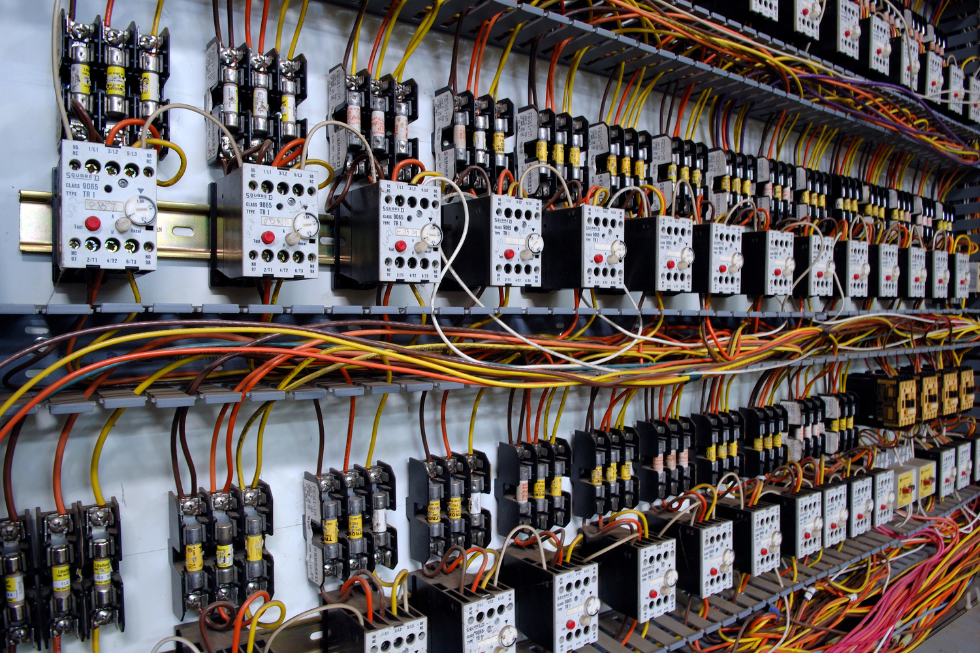
The electrical panel (breaker box or distribution board) is where the power from the utility company enters your home. This panel distributes that electricity to the circuits throughout your home. Inside the panel are circuit breakers or fuses, all of which trip or blow when there is an overload or failure in the circuit.

Types Of An Electrical Panel
Electrical panels come in various types, each designed to meet specific needs within a home or building. Understanding the differences between these panels helps homeowners and professionals choose the right one for safety, efficiency, and future electrical demands.
The types of electrical panels are as follows:
- Main Breaker Panels: Main breaker panels contain a main breaker that can turn off the entire electrical supply to the house. They are most often used in modern homes.
- Main Lug Panels: Main lug panels do not have a main breaker and are fed from a main breaker located in a separate disconnect. Main lug panels are used as a subpanel in the garage or as an addition to the house.
- Fuse Boxes: Some older homes may have fuse boxes instead of circuit breakers. Fuses do the same job as circuit breakers, but they need to be replaced when they blow.
Components Of Electrical Panels
Inside every electrical panel lies a well-organized system. These components work together to manage, distribute, and protect electricity flowing throughout your home, ensuring safe and reliable operation for every device and circuit they power.
Keep reading if you want to understand the components of an electrical panel:
Main Breaker
This is the large switch that controls and delivers electricity from the utility company to your house. It allows you to completely shut off all power to the house for emergencies or maintenance, as needed.
Circuit Breakers
These are smaller switches that control the flow of electricity to individual circuits throughout the home. Each circuit breaker is rated for a certain amount of amperage and is used to protect the wiring and devices served by that circuit.
Bus Bars
These metal bars deliver electricity from the main breaker to the individual circuit breakers. A panel contains two bus bars – one for the neutral wire and another for the hot wire.
Ground Bar
This bar is used to connect the grounding wires from each circuit and provide a safe path to dissipate excess electrical current should a fault occur.
Neutral Bar
This is also referred to as the neutral bus and receives all the neutral wires from the circuits. It is a path for electrical current to complete the circuit and return to the source.
Electrical Panel: Operation and Its Role in Home Safety
Knowing how an electrical panel works is useful for those wishing to ensure their homes are safe and reliable. If you know what an electrical panel does, it will help you understand why it can be an important piece in your daily power consumption and your home’s protection.

A more detailed look at how it works, and its importance:
How Does An Electrical Panel Actually Work?
In order to prevent overloads and electrical hazards, an electrical panel safely distributes electricity from the utility company to the different circuits in your house. This is how it operates:
| Steps | Working |
| Step 1: | The utility line provides power to the panel. |
| Step 2: | All electrical flow is managed by the main breaker. |
| Step 3: | Bus bars inside the panel receive electricity. |
| Step 4: | Circuit breakers divide the current among several circuits. |
| Step 5: | Power is delivered to various parts of the house by each circuit. |
| Step 6: | In the event of an overload or malfunction, breakers trip. |
The Need for Electrical Panel Installation in Every Home
For everyday comfort and security, a modern home’s electrical panel is essential. Device powering, load management, and potential hazard protection all depend on its presence. Here are five explanations:
- Keeps homes safe by avoiding electrical fires.
- Permits effective power distribution to every room.
- Shield gadgets and appliances from damage caused by overload.
- Makes it simple to turn off the power during maintenance or emergencies.
- Easily accommodates upcoming improvements or additions to the house.
Conclusion
Maintaining your electrical panel is honestly a bigger deal than most folks realize. Understanding what’s inside that box and how it all works together puts you in control, cuts down on risk, and just makes life at home simpler when it comes to any upgrades or fixes. It’s not rocket science, but still, getting a certified electrician to check things out now and then? That’s just common sense. Keeps the system reliable and safe—plus, it saves you trouble when you want to expand or modify your setup in the future.
FAQs
How much does it cost to install an electrical panel?
Costs typically range from $850 to $2,500, depending on panel size and location.
What are the common hazards of electrical panels?
Overloaded circuits, faulty wiring, and outdated panels can cause electrical fires or shocks.
How often should panels be inspected?
Inspections are recommended every 3-5 years or after any major home renovatio