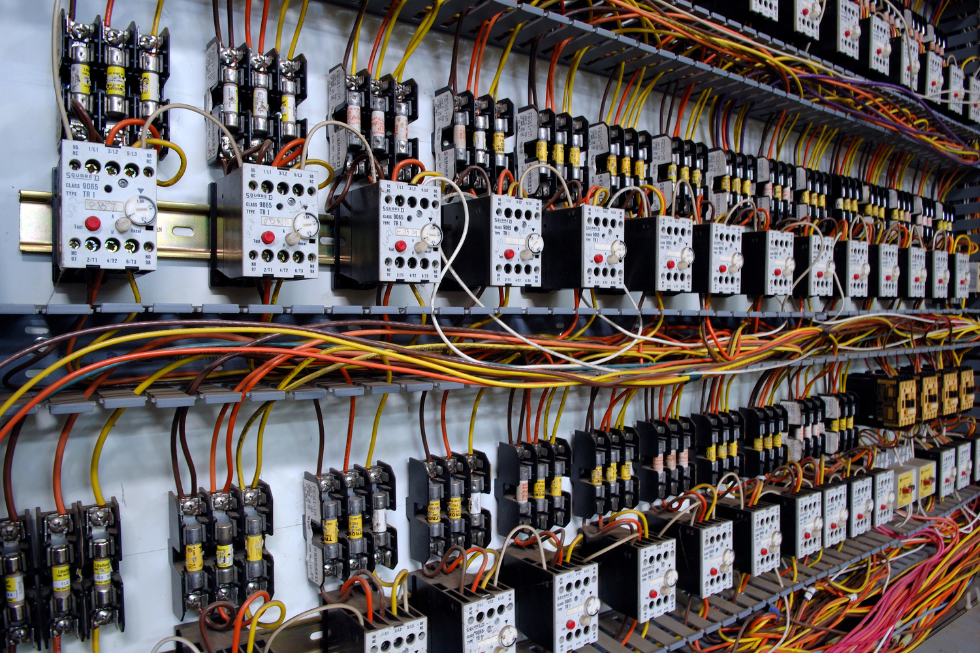
In the realm of home electrical systems, few components are as crucial yet often overlooked as circuit breakers. These unassuming devices play a pivotal role in keeping our homes safe from electrical hazards, preventing fires, and protecting our valuable appliances and electronics. For homeowners in Birmingham, Alabama, understanding the basics of circuit breakers is not just a matter of curiosity—it’s an essential aspect of home maintenance and safety. In this comprehensive guide, we’ll delve into the world of circuit breakers, exploring how they work, why they’re important, and when it might be time to consider replacing them.
What Are Circuit Breakers?
At its core, a circuit breaker is a safety device designed to protect electrical circuits from damage caused by overcurrent or short circuits. Unlike their predecessors, fuses, which needed to be replaced after each use, circuit breakers can be reset and used repeatedly. This makes them a more convenient and cost-effective solution for modern homes and buildings.
Circuit breakers come in various sizes and types, each designed to handle different amounts of electrical current. In a typical Birmingham home, you’ll find a main circuit breaker that controls the entire electrical supply to your house, as well as smaller circuit breakers for individual circuits that power different areas or appliances in your home.
These devices are housed in your home’s electrical panel, often referred to as the breaker box or fuse box. This panel is usually located in a utility area, garage, or basement, and it’s the central hub of your home’s electrical system. Understanding the layout and function of your electrical panel is crucial for every homeowner, as it allows you to quickly respond to electrical issues and perform basic troubleshooting when necessary.
How Do Circuit Breakers Work?
The operation of a circuit breaker is based on a simple yet ingenious principle. When electrical current flows through a circuit, it generates heat. Under normal conditions, this heat is minimal and poses no danger. However, if too much current flows through the circuit—due to an overload or a short circuit—the heat can increase to dangerous levels, potentially causing damage to wiring, appliances, or even starting a fire.
This is where circuit breakers come into play. Inside each breaker is a bi-metallic strip that’s sensitive to heat. When the current flowing through the breaker exceeds its rated capacity, this strip heats up and bends. This bending action triggers a spring mechanism that quickly opens the circuit, cutting off the flow of electricity. This instant response is what protects your home from potential electrical hazards.
There are two primary ways a circuit breaker can trip:
Overloads: This occurs when too many devices or appliances are drawing power from a single circuit, exceeding its capacity. For example, if you plug a high-wattage appliance like a space heater into a circuit that’s already powering several other devices, it might overload the circuit and cause the breaker to trip.
Short Circuits: These happen when a “hot” wire touches a neutral wire or a ground wire. This creates a sudden, massive surge of current that can be extremely dangerous. Short circuits can be caused by damaged wires, faulty appliances, or even a nail driven through a wall into a wire.
In both cases, the circuit breaker’s quick action prevents the excessive current from causing damage or starting a fire. This automatic protection is what makes circuit breakers an indispensable part of modern electrical systems.
The Importance of Circuit Breakers in Home Safety
The role of circuit breakers in home safety cannot be overstated. In Birmingham, where summer temperatures can soar and air conditioning units work overtime, the risk of electrical overloads is particularly high. Circuit breakers act as a first line of defense against these overloads, protecting not just your home and appliances, but also your family from potential electrical fires.
Moreover, circuit breakers play a crucial role in preventing electric shock. If a fault occurs in an appliance or wiring that could lead to electrocution, the circuit breaker will trip, cutting off the power before any harm can come to a person who might touch the faulty device or wire.
Another often-overlooked benefit of circuit breakers is their role in protecting your expensive electronic devices. In the event of a power surge—which can be caused by lightning strikes or issues with the power grid—circuit breakers can trip to protect sensitive electronics from damage. This can save homeowners hundreds or even thousands of dollars in potential replacement costs.
Signs That Your Circuit Breakers May Need Replacement
While circuit breakers are designed to last for many years, they don’t last forever. Over time, they can wear out or become damaged, reducing their effectiveness and potentially putting your home at risk. Here are some signs that it might be time to consider replacing your circuit breakers:
Frequent Tripping: If a particular circuit breaker is tripping more often than usual, even when it’s not overloaded, it may be wearing out. While occasional tripping is normal and indicates that the breaker is doing its job, frequent tripping without an apparent cause is a red flag.
Physical Damage: Visible signs of wear, such as scorch marks, a burning smell, or a breaker that feels hot to the touch, are clear indicators that the breaker needs immediate replacement. These signs could indicate that the breaker has been damaged by a power surge or is failing internally.
Age: Circuit breakers typically last about 30-40 years. If your home is older and still has its original electrical panel, it might be time for an upgrade. This is particularly true for homes in Birmingham built before the 1990s, which may have outdated electrical systems not designed to handle modern power demands.
Rust or Corrosion: In Birmingham’s humid climate, rust and corrosion can be issues, especially in older homes. If you notice rust or corrosion on your circuit breakers or within your electrical panel, it’s time to call a professional electrician for an inspection.
Failure to Reset: If a circuit breaker trips and won’t reset, or if it resets but immediately trips again, this is a sign of a faulty breaker that needs replacement.
Buzzing or Crackling Sounds: Unusual noises coming from your electrical panel or individual breakers can indicate loose connections or internal damage. These issues require immediate professional attention.
The Process of Replacing Circuit Breakers
When it comes to replacing circuit breakers, it’s crucial to emphasize that this is not a DIY job. Working with your home’s electrical system can be dangerous and should only be done by licensed professionals, like the experienced electricians at RTR Electric in Birmingham.
The process of replacing a circuit breaker typically involves the following steps:
First, the electrician will turn off the main power supply to your home. This is a critical safety step that ensures no live electricity is flowing through the system during the replacement process.
Next, they will remove the panel cover to access the circuit breakers. The faulty breaker will be identified and carefully disconnected from the panel.
The new breaker, which must be of the same type and amperage as the old one, is then installed. The electrician will ensure it’s properly seated and connected.
Once the new breaker is in place, the panel cover is replaced, and the main power is turned back on.
Finally, the new breaker is tested to ensure it’s functioning correctly.
While this process might seem straightforward, it requires specific knowledge and tools to do safely and correctly. Improper installation can lead to serious safety hazards, including the risk of fire or electrocution.
Upgrading Your Electrical Panel
In some cases, replacing individual circuit breakers might not be enough. If your home in Birmingham is older or if you’ve significantly increased your electrical usage over the years (for example, by adding new appliances or a home office), you might need to consider upgrading your entire electrical panel.
An electrical panel upgrade involves replacing your old panel with a new one that can handle a higher amperage. This not only improves the safety of your home’s electrical system but also allows for the addition of new circuits to support modern electrical needs.
Signs that you might need a panel upgrade include:
- Flickering lights, especially when high-power appliances are in use
- Frequently tripping breakers or blown fuses
- The need to use many power strips or extension cords
- Planning a major renovation or addition to your home
- Still having a fuse box instead of circuit breakers
A panel upgrade is a significant investment in your home’s safety and functionality. It ensures that your electrical system can handle the demands of modern life while providing enhanced protection against electrical hazards.
Maintaining Your Circuit Breakers
While circuit breakers are generally low-maintenance devices, there are steps Birmingham homeowners can take to ensure they continue to function properly:
Regular Testing: It’s a good idea to test your circuit breakers periodically. This can be done by simply turning them off and on again. If a breaker feels loose or doesn’t click firmly into place, it may need replacement.
Keep Them Clean: Dust and debris can accumulate in your electrical panel over time. While you should never attempt to clean inside the panel yourself, a professional electrician can safely clean it during a routine inspection.
Avoid Overloading: Be mindful of how many devices and appliances you’re running on a single circuit. If you find yourself constantly resetting a particular breaker, it may be time to redistribute the electrical load or add a new circuit.
Schedule Regular Inspections: Having a professional electrician inspect your electrical system every few years can help identify potential issues before they become serious problems. This is particularly important for older homes in Birmingham that may have outdated electrical systems.
The Importance of Professional Installation and Maintenance
When it comes to your home’s electrical system, including circuit breakers, it’s crucial to work with licensed, experienced professionals. RTR Electric has been serving Birmingham homeowners and businesses with expert electrical services for years. Our team of skilled electricians understands the unique challenges posed by Birmingham’s climate and the specific needs of local homes and buildings.
Working with a professional ensures that all electrical work is done safely and up to code. We can provide valuable advice on maintaining your electrical system, help you understand your home’s specific electrical needs, and ensure that any upgrades or replacements are done correctly.
Moreover, professional electricians stay up-to-date with the latest advancements in electrical technology and safety standards. We can recommend modern solutions that can enhance your home’s safety and energy efficiency, potentially saving you money in the long run.
Stay Safe From Electrical Hazards
Circuit breakers are silent guardians in our homes, working tirelessly to keep us safe from electrical hazards. Understanding how they work, recognizing when they need attention, and knowing when to call in professional help are all crucial aspects of responsible homeownership.
For Birmingham residents, the unique climate and the age of many homes in the area make regular electrical system maintenance particularly important. By staying vigilant and proactive about your circuit breakers and overall electrical system, you can ensure a safer, more efficient home for you and your family.
Remember, when it comes to electrical work, safety should always be the top priority. Don’t hesitate to reach out to RTR Electric for any questions, concerns, or electrical needs you may have. Our expertise and dedication to quality service makes us a trusted partner in maintaining the electrical safety and efficiency of homes throughout Birmingham.